


Doorman Services
home > security services > doorman services
Client Sites Protected
500+
USENTRA
1-844
Years In Business
79
WHAT WE DO
Doorman Services in Warwick: Matching Coverage to Your Building
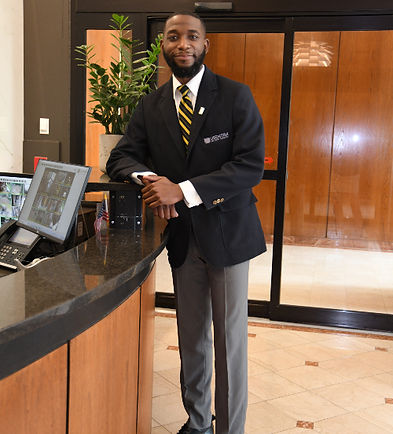
Doorman services generally cover far more than opening doors. A trained doorman generally manages visitor access, watches the lobby, logs deliveries, and serves as a visible point of contact and control at the entrance. For Warwick commercial buildings, the role generally blends professional customer service with real security work.
A doorman is often the first person a visitor sees, and that first impression matters, though it is generally not the whole job. Most people picture someone in a uniform holding a door open, and while that is part of it, the larger part of the role is generally control over who moves past the lobby and who does not. The value of a doorman generally comes from someone who is actively screening and logging rather than simply standing at the entrance, and a well-run doorman service generally ties directly into the building's access control setup so that entries are monitored and visitors are accounted for.

Perimeter Tours
Our mobile patrol services are designed to observe a wide area and using state-of-the-art technology, report unusual conditions. We're looking for maintenance issues, safety hazards, and security problems before they become expensive emergencies.

Night Watch
Most crimes happen between midnight and 6 AM when businesses are closed and nobody's around.
Our night patrols check doors and windows, look for signs of forced entry, watch for suspicious vehicles, and respond to alarm activations.
Crime Prevention
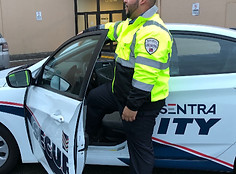
Highly visible, marked security is an effective way to deter unwanted activity on your property. Our officers check that all exterior doors are secure, look for broken windows or damaged fencing, make sure lighting is working properly and document anything that needs attention.
Typical doorman responsibilities generally include:
-
Greeting and identifying visitors before they enter the building
-
Checking in guests, vendors, and deliveries against an approved list
-
Watching the lobby and common areas for anything that appears out of place
-
Coordinating with front desk security and reception security staff on tenant requests
-
Reporting suspicious activity or unauthorized entry attempts promptly, per the building's protocol
-
Supporting building access control by managing key cards, sign-ins, or intercom systems
This is generally not a role to hand to just anyone. A doorman generally needs to read people well, stay calm under pressure, and know when to escalate, and that is where the position connects to the building's broader security setup, including CCTV surveillance monitoring or an alarm response plan. Consider a Warwick office building near a busy commercial strip, where deliveries arrive throughout the day, tenants have guests, and contractors need access for repairs. Without a doorman managing that flow, the front desk can become disorganized quickly, whereas a doorman generally helps keep the entrance orderly, with a record of who came through and why.
Doorman Services vs. Front Desk Security vs. Concierge and Lobby Security
These terms get mixed up often, and building managers around Warwick ask about the difference regularly. Doorman services, front desk security, and concierge and lobby security sound similar, but they generally solve different problems, and choosing the wrong one can leave gaps at your entrance that are not obvious until something goes wrong. The difference generally comes down to focus:
-
Doorman services: the first point of contact, generally controlling who enters, checking visitor lists, and setting a professional tone at the door
-
Front desk security: generally staffs the lobby desk, logs visitors, monitors CCTV or access control panels, and handles incidents inside the building
-
Concierge and lobby security: generally blends both, handling guest and tenant services while keeping an eye on security concerns
-
Blended coverage: many Warwick office buildings and commercial properties near the Jefferson Boulevard corridor use a blended role, since a single officer can cover both jobs during slower hours

A common scenario is a commercial office building with heavy foot traffic in the morning and very little by mid-afternoon. Staffing a full front desk security team all day generally does not make sense there, while a doorman during peak hours, paired with concierge and lobby security coverage later, generally keeps the entrance controlled without wasting staffing hours. Training is another factor that is easy to overlook. A doorman trained only in greeting guests generally will not know how to handle an access control issue, and a front desk officer trained mainly in monitoring systems may not bring the softer guest-service skills a concierge role calls for. The strongest setups generally combine trained officers who understand both sides of the work. If you are not sure which setup fits your building, that is generally what our team walks through during a site visit, matching coverage to your traffic patterns and tenant needs.
.jpg)
Advanced Vehicle Technology
Every USENTRA patrol vehicle is equipped with front and rear 1080p dash cameras that run continuously during every patrol. Combined with real-time GPS tracking on every vehicle, we have full accountability on every route — so you can be confident our officers are covering the areas we've agreed on, every time.

-
Construction & Development
-
Distribution Centers
-
Events & Entertainment
-
Government, Military & Municipal
-
Hospitality & Hotels
RHODE ISLAND | MASSACHUSETTS | CONNECTICUT
-
Nonprofit Organizations
-
Religious Institutions
-
Technology
-
Utilities & Energy
Industries We Serve
Which Commercial Building Type Matches Which Coverage Plan
Not every building needs the same doorman setup. A busy office tower near the Warwick Mall generally has different traffic than a quieter corporate campus off Jefferson Boulevard, and matching the coverage plan to the building type is generally the difference between a doorman who adds value and one who is simply standing there. Across commercial properties in Apponaug, Hoxie, and the Airport corridor, the pattern is generally consistent, in that property managers who guess at coverage levels tend to either overpay for hours nobody uses or leave gaps during the busiest parts of the day.
As a general guide:
-
Corporate office buildings with steady daytime traffic generally do well with front desk coverage during business hours, paired with a sign-in process for visitors and vendors
-
Mixed-use retail and office plazas often need rotating coverage that shifts between the main entrance and a secondary loading or delivery point
-
Medical office buildings and clinics generally benefit from doorman coverage focused on entry screening and directing foot traffic during peak appointment hours
-
Corporate campuses with several buildings generally need coverage coordinated across entrances rather than a single fixed post
-
Commercial properties that host occasional large gatherings, such as conference centers or event venues, are generally better matched to short-term or event-based coverage than a permanent post
A common example is a property manager overseeing a mid-size office building near Jefferson Boulevard who assumes they need someone stationed at the door around the clock. When we walk the site, the real traffic pattern often shows two peaks, morning arrival and evening departure, and a single doorman covering those windows, paired with access control for the quieter hours, generally gets the job done without wasted staffing.
A useful way to figure out where your building falls is to track foot traffic for a week, noting when the lobby fills up and when it empties, and paying attention to whether most visitors are known tenants or first-time guests, since that generally changes how much screening the doorman needs to do. A single-tenant office with a locked back door and low visitor volume generally looks very different from a multi-tenant commercial building near the airport where deliveries, contractors, and guests move through constantly, and the second generally calls for more structured coverage, sometimes paired with access control management for after-hours entry. If you are not sure which plan fits, that is a normal place to start, and a site visit generally clarifies it quickly.
DOORMAN SECURITY SERVICES
Frequently Asked Questions
How do I know if my building needs a doorman or if cameras are enough?
Cameras alone are generally not enough if your building has steady visitor traffic, deliveries, or multiple tenants. A camera can record a problem, but it generally cannot greet a guest at the door or manage who enters. If your lobby sees regular foot traffic from vendors, contractors, or tenant guests, a doorman generally adds a layer of control that footage alone does not provide. A commercial building with light traffic and a single entry point may do fine with cameras and access control, while a busier one generally benefits from a person at the door.
What's the biggest misconception about doorman services?
The biggest misconception is generally that a doorman is only there to open doors and look professional in a uniform. In practice, a trained doorman checks identification, logs visitors, and watches for anything out of place in the lobby, and generally connects to the building's access control setup so that entries are tracked rather than simply greeted. The value of the role generally comes from that active screening, not from the uniform.
How does Warwick's mix of commercial buildings affect doorman coverage?
Warwick's commercial building mix generally means coverage needs vary from block to block. A corporate office near the Warwick Mall might need full daytime coverage, while a mixed-use plaza off Jefferson Boulevard might need rotating shifts to match slower afternoon traffic, and a medical office building generally needs coverage weighted toward peak appointment hours. Matching your plan to your building type generally keeps staffing costs sensible without leaving gaps.
Can a doorman handle access control and security system tasks, or just greet visitors?
A trained doorman can generally handle both. Part of the role generally involves managing key cards, sign-in sheets, and intercom systems so that entry points stay accounted for. A doorman trained only to greet people may miss access control issues that need attention, which is generally why training matters more than the uniform. If you want a clearer picture of what full coverage looks like for your building, a site visit walks through what is included.
How do I decide between full-time doorman coverage and rotating shifts?
The right choice generally depends on your building's traffic pattern through the day. A corporate office with a busy morning and a quiet afternoon often does better with rotating coverage than paying for a full day of staffing, and mixed-use commercial buildings near the Airport Road corridor commonly use this approach as tenant schedules shift. Tracking when your lobby is busiest and matching staffing hours to those windows generally works better than a flat schedule.

SECURITY GUARD JOBS
Join the USENTRA Security Team
USENTRA Security Services is always looking for talented individuals to join our team. If you're a retired with law enforcement or military experience or looking to start your career in the security services industry, please give us a call us at 401-421-0900 or apply online today.
