


Parking Lot Security Patrol
home > security services > mobile patrol security > parking lot security patrol
Client Sites Protected
500+
USENTRA
1-844
Years In Business
79
WHAT WE DO
Parking Lot Security Patrol in Warwick: Patrol vs. Cameras Alone
Patrol Checks Are the Difference Between a Watched Lot and a Wired One
Parking lot security patrol puts a trained security officer in your lot, checking cars, doors, lights, and people as things happen. A camera records a problem, but it can't walk over, ask a question, or stop trouble before it starts. If your goal is for nothing to happen in your lot, you need someone watching, not just something recording.
Parking lot security patrol is simple. A security officer moves through your lot on a regular basis, looks at what's going on, and acts on it. That last part is the whole point. Lots of business and property managers in Warwick already have cameras on their light poles. Those cameras do a job. They just don't do the job most people think they're paying for.
Here's what a wired lot gives you: footage. After a car gets broken into or someone's catalytic converter goes missing, you can pull the video and hand it to police. That's useful. But by then the damage is done, your customer or employee is upset, and you're already dealing with the fallout.
A watched lot works differently. When a real person walks the rows, people looking for an easy target tend to notice and move on. A patrol check also catches the small stuff a camera can't do anything about, like:

A car parked in the same spot overnight that doesn't belong to anyone on site

A side door left unlocked or a gate left open after deliveries

Someone sitting in a running vehicle near your entrance at closing time

A staff member walking to their car alone after a late shift

A burned-out light that just turned a corner of the lot dark

Damage, spills, or hazards that could turn into a liability claim
A camera can't knock on a window, write down a plate, or walk someone to their car. A patrol officer can. That's the gap between a lot that's watched and one that's only wired.If you've switched security providers before, you probably know this feeling. You had coverage on paper, but nobody told you what was going on until something went wrong.
Good patrol work fixes both sides of that. You get a visible presence that prevents trouble, and you should get a clear picture of what your officer saw on each check, so you're never left guessing about your own property.
None of this means cameras are a waste. They work best alongside people. We also offer CCTV surveillance monitoring, and plenty of lots are best covered with both. Think of the camera as the memory and the officer as the one who can do something.Who's doing the watching matters too.
Our team is led by former law enforcement professionals, and our officers are carefully screened, assessed, and trained to match the facility they protect. In a parking lot, that officer is often the first person your customers, guests, or staff see. They're also the one deciding if a situation is harmless or needs a call to police. You want that person to be steady, sharp, and there every shift.
Retail Plazas and Hotel Lots Carry Different Risk Than Office or Warehouse Lots
Not every parking lot needs the same patrol plan. A shopping plaza, a hotel, an office park, and a warehouse yard all face different problems at different hours. If your provider runs the same checklist on all four, your officer ends up watching the wrong things at the wrong times.
Retail plazas and hotels are open lots. Lots of people come and go who you don't know, and that's the business model. Office and warehouse lots are mostly closed lots. The same people park there every day, and anyone new stands out. That one difference changes almost everything about how a patrol should work.

Advanced Vehicle Technology
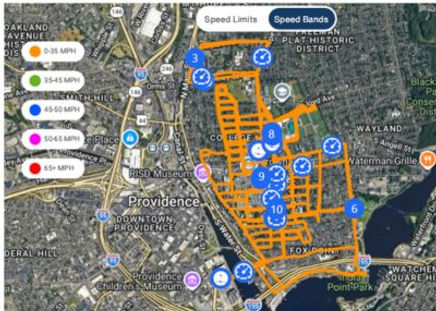
Every USENTRA patrol vehicle is equipped with front and rear 1080p dash cameras that run continuously during every patrol. Combined with real-time GPS tracking on every vehicle, we have full accountability on every route — so you can be confident our officers are covering the areas we've agreed on, every time.
-
Steady visibility during busy hours, when shoppers leave bags and packages in plain view inside their cars
-
Watching for loitering near store entrances, cart corrals, and the edges of the lot
-
Paying attention to the gap between store closing times, since tenants in the same plaza often close at different hours
-
Checking dark corners and back-of-building areas after the last store closes
-
Being a calm, friendly presence that makes shoppers feel safe instead of watched
-
Overnight checks, because guest cars sit for hours or days with luggage and gear inside
-
Noticing vehicles and people that don't match a guest or staff member
-
Keeping an eye on late-night arrivals walking from their car to the front door
-
Watching for cars that stay parked long after checkout
-
Coordinating with the front desk so the officer knows what's normal for that night
An office lot is a different story. During the day, it's usually quiet and predictable. The real risk shows up after hours, when the lot empties out and a few employees are still leaving late. A good patrol there focuses on closing time, walking people to their cars when asked, and checking doors, lights, and the building edge once everyone's gone.
Warehouse and logistics lots bring their own risks. Trailers, trucks, loading docks, fuel, and fence lines all need checking. Gates left open after a late delivery are a common weak spot. The officer there isn't greeting shoppers. They're checking that everything that should be locked is locked, and that nobody's on site who shouldn't be.
Here's why this matters to you. If your Warwick property is a busy plaza or a hotel, a patrol built for a quiet office park will miss the moments that count. And if you run a warehouse, a patrol built for a shopping center wastes time in the wrong places. The right plan starts with your lot, your hours, and the people who use it.That's also why we match officers to the facility they protect. If your property needs more than lot coverage, we also provide retail loss prevention, hotel security staff, and warehouse security, and those services can work alongside your patrol.

-
Construction & Development
-
Distribution Centers
-
Events & Entertainment
-
Government, Military & Municipal
-
Hospitality & Hotels
RHODE ISLAND | MASSACHUSETTS | CONNECTICUT
-
Nonprofit Organizations
-
Religious Institutions
-
Technology
-
Utilities & Energy
Industries We Serve
Signs a Property Needs Patrol Coverage Now
Most property managers don't call about patrol coverage on a quiet day. They call after something changes. Maybe a tenant complains, a staff member gets spooked in the lot, or the same problem shows up for the third week in a row. If any of the signs below sound familiar, it's time to stop waiting and get a plan in place.
-
You've had more than one car break-in, theft, or vandalism report in a short stretch. One incident can be bad luck. Two or three means someone has found your lot and likes it.
-
Employees are asking to leave early, park closer, or walk out in groups because they don't feel safe after dark.
-
Tenants, guests, or customers have started to mention the lot in complaints or reviews.
-
You keep finding signs of people on the property after hours, like trash, broken glass, or cars you don't recognize parked overnight.
-
You're pulling camera footage after the fact more often than you'd like, and it isn't stopping anything.
-
Your hours, tenants, or traffic just changed. A new late-night tenant, a new shift, or a busy season can turn a quiet lot into a risky one.
-
Your current security provider isn't telling you what's happening. You don't get reports, and you find out about problems from your own people first.
That last one matters more than it seems. If you already pay for coverage but still feel in the dark about your own lot, you don't have a watched lot. You have a line item. Good patrol work should give you both a visible officer and a clear picture of what that officer saw.
Here's a simple test. Picture your lot 20 minutes after your last employee leaves. Is it lit? Is anyone checking it? Would you know by morning if something happened? If you can't answer yes to all three, that gap is where trouble tends to start.
Not every lot needs a patrol officer right now. If your lot is small, well lit, fully gated after hours, and you haven't had any incidents or complaints, good lighting, locked gates, and cameras may be enough for the moment. The same goes if your property closes early and nobody's on site at night. In those cases, keep an eye on things and check again if your hours, tenants, or incident history change.
If you're already seeing the signs, though, waiting usually costs more than acting. Every repeat incident wears down trust with the people who use your lot, and that's harder to win back than it is to protect. Our team is led by former law enforcement professionals who know how to read a lot and spot where the risk really is.
Call now

When a Lower-Cost Option Covers the Risk Instead
A full-time patrol officer isn't always the smart buy. Sometimes a lower-cost tool covers the real risk in your lot, and you deserve to know when that's true before you sign anything.
Here's how the cost usually works in this industry. A dedicated officer on site is billed by the hour. The more hours, nights, and officers you need, the more you pay. Lower-cost options cost less because nobody stands in your lot the whole time. That's the trade. You save money, but nobody's there between checks. Whether that gap matters depends on your lot.
These are the cases where a lighter option often does the job:
-
Your lot is empty after hours. If nobody parks there at night, you may not need a person standing in it. Remote video monitoring lets someone watch your cameras live, so a problem gets noticed while it's happening, not the next morning.
-
You only need a few checks a night. Mobile patrol security means an officer drives in, checks the lot and building, and moves on to the next stop. It's often a good fit for a closed office lot or a warehouse yard where anyone new stands out.
-
Your alarm already does most of the work. If your building is alarmed and the lot is gated, alarm response services can send someone out when the alarm goes off.
-
Your problem is a physical gap. A dark corner, a broken gate, or a hole in the fence won't be fixed by an officer. Fix the light or the gate first, then see if the trouble stops.
-
Your risk is short-term. A busy holiday season, a one-time event, or a few weeks of construction may only call for temporary security guards, not a year-round plan.
Now the other side. Cheaper options fall short when your lot is full of people. A busy retail plaza, a hotel with late-night arrivals, or an office where staff leave alone after dark all need someone who can talk to a person, walk them to their car, or step in before something goes wrong. A camera can't do that, and a drive-by that comes back an hour later may miss the moment that counts. That's the watched-versus-wired gap from earlier on this page, and it's why some lots really do need an officer on site.
Our honest advice is simple. Start with the smallest option that covers the risk you have. If incidents keep happening, step up. Many lots end up with a mix, like an officer on site during the busiest hours and remote monitoring or drive-by checks the rest of the night. You don't have to pay for full coverage around the clock to get real protection where it counts.
When you talk to any provider, ask a few plain questions. What exactly happens on each check? How will you tell me what the officer saw? What happens if something goes wrong between checks? If they can't answer clearly, the lower price won't feel like a deal for long.
Call now
How Patrol Pricing Works and What Drives Cost
Patrol pricing comes down to one question: how much of an officer's time does your lot need? Since on-site officers are billed by the hour, most of what moves your price up or down is really about hours, people, and the kind of officer you need. Knowing the drivers helps you compare quotes fairly and spend where it counts.
-
Coverage window. A few hours around closing costs far less than overnight or around-the-clock coverage. Your busiest risk hours should set the schedule, not a round number.
-
Number of officers. A big plaza or a hotel with several lots may need more than one officer to cover every row. A small office lot usually doesn't.
-
Dedicated officer or shared route. An officer who stays on your lot costs more than drive-in checks that are part of a route with other stops.
-
Armed or unarmed. Armed officers cost more because of added training and screening. Most parking lots don't need one, so ask why if a provider pushes it.
-
Nights, weekends, and holidays. Many providers charge a higher rate for holiday shifts. Ask for the list of holidays up front so the bill doesn't surprise you.
-
Short notice. Asking for coverage tomorrow after a break-in often costs more than a planned start.
-
Reporting and extra duties. Written check reports, escorts to cars, door and gate checks, and front desk coordination all take time. Make sure they're in the quote, not added later.
-
Contract length. A longer agreement can change the rate compared to a few weeks of temporary coverage.

PARKING LOT SECURITY PATROL
Frequently Asked Questions
Do police have jurisdiction over parking lots on private commercial property?
Yes, police can respond to crimes and trespassing on private parking lots even though the property itself is privately owned. A patrol officer on site doesn't replace police, but adds a set of eyes that can spot trouble and call police faster when something needs their attention. In Rhode Island, even public lots are actively enforced by security and police, so having a patrol presence fits how lots in this region are already treated, not something unusual.
How much do parking lot security cameras cost compared to patrol?
Camera costs depend on the system, number of cameras, and coverage area, and that's a separate service from patrol. Cameras record what happens but can't stop it or walk over to check on someone. A security risk assessment can help you figure out whether your lot needs cameras, patrol checks, or both together, based on your traffic, hours, and past incidents.
What percentage of crimes happen in parking lots or garages?
There isn't a reliable, verified number for this, so it's better not to guess at a statistic. What matters more is that parking areas are widely treated as a vulnerable spot in commercial security planning, since they're often less watched than the building itself. That's part of why a scheduled patrol check, not just lighting or cameras, makes a real difference in a busy lot.

SECURITY GUARD JOBS
Join the USENTRA Security Team
USENTRA Security Services is always looking for talented individuals to join our team. If you're a retired with law enforcement or military experience or looking to start your career in the security services industry, please give us a call us at 401-421-0900 or apply online today.
