


Fire Watch Security
home > security services > fire watch security
Client Sites Protected
500+
USENTRA
1-844
Years In Business
79
WHAT WE DO
Fire Watch Security in Warwick: Coverage for Impaired Fire Systems
A fire watch is generally called for any time a building's fire protection system is out of service or impaired. That generally includes sprinkler shutoffs, alarm outages, hot work, and blocked exits. If your fire marshal or insurance carrier has flagged one of these, coverage is generally worth arranging before the affected work begins.
It is often the same call. A sprinkler contractor shuts the system down to fix a leak or swap out a head, and the building is left without active suppression for a period. That generally counts as a trigger. We generally see this with warehouses along the Jefferson Boulevard industrial corridor, where older sprinkler lines can need frequent repair work and the building should not sit unprotected while parts are ordered. Hot work is another common one: welding, cutting, and torch work near stored materials or combustible dust. Alarm system failures generally count as well, as does a blocked standpipe in a multi-story property, or an occupied building during construction where the permanent fire protection is not yet active.

Perimeter Tours
Our mobile patrol services are designed to observe a wide area and using state-of-the-art technology, report unusual conditions. We're looking for maintenance issues, safety hazards, and security problems before they become expensive emergencies.

Night Watch
Most crimes happen between midnight and 6 AM when businesses are closed and nobody's around.
Our night patrols check doors and windows, look for signs of forced entry, watch for suspicious vehicles, and respond to alarm activations.
Crime Prevention
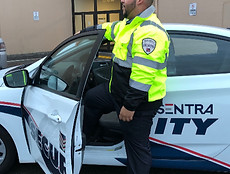
Highly visible, marked security is an effective way to deter unwanted activity on your property. Our officers check that all exterior doors are secure, look for broken windows or damaged fencing, make sure lighting is working properly and document anything that needs attention.
Common triggers generally include:
-
Sprinkler system shut off for repair, freeze damage, or renovation
-
Fire alarm or detection system out of service or under test
-
Hot work such as welding, grinding, or torch cutting on site
-
Standpipe or hydrant impaired or inaccessible
-
Construction or demolition where fire protection is not fully operational
-
Overcrowded event space with blocked or reduced exits
Not sure whether your situation counts? That is common. As a general guideline, if a contractor tells you the system will be down for more than a few hours, or your local fire marshal mentions the word impairment, it is generally worth treating as a trigger and arranging coverage before work starts. The Authority Having Jurisdiction makes the final determination in any given case.
Who Is Generally Qualified to Perform Fire Watch Duties
One common misconception among Warwick property owners is that fire watch duty can be assigned to whichever employee happens to be free that day. A maintenance technician, a front desk clerk, or an overnight security officer with no formal briefing sometimes gets pressed into service when a sprinkler system goes offline or a fire alarm fails inspection. In practice, the Warwick Fire Department and Rhode Island fire code officials generally expect fire watch personnel to demonstrate documented awareness of their responsibilities rather than simply showing up wearing a high-visibility vest.
Being qualified generally does not mean holding a state-issued license. It generally means the individual understands egress routes, hazard identification, communication protocols with the fire department, and the logging requirements for hourly patrols. Inspectors reviewing compliance after an incident generally ask for training records, patrol logs, and evidence that the person on duty knew what to do if smoke or flame were observed. An untrained staff member standing near an exit with a clipboard generally does not satisfy this standard, and gaps discovered after the fact can expose the property owner to citations.

A qualified fire watch generally reflects:
-
Written training on evacuation procedures and building-specific hazards before the first shift begins
-
Familiarity with fire department notification protocols and equipment shutdown procedures
-
Documented patrol schedules with timestamps intended to support Warwick Fire Department review
-
Background screening for personnel placed in unsupervised, high-trust roles
-
Ongoing supervision by leadership familiar with both fire code obligations and incident procedures
This is where experienced supervision matters. Fire watch officers who work under disciplined leadership generally bring consistency to the role, and that experience generally shapes how personnel are screened before placement, how incident reports are written for insurers and fire marshals, and how patrols are structured to hold up during an inspection. A provider that treats every shift as a documented record can help support the property owner's compliance position if questions arise later.
.jpg)
Advanced Vehicle Technology
Every USENTRA patrol vehicle is equipped with front and rear 1080p dash cameras that run continuously during every patrol. Combined with real-time GPS tracking on every vehicle, we have full accountability on every route — so you can be confident our officers are covering the areas we've agreed on, every time.

-
Construction & Development
-
Distribution Centers
-
Events & Entertainment
-
Government, Military & Municipal
-
Hospitality & Hotels
RHODE ISLAND | MASSACHUSETTS | CONNECTICUT
-
Nonprofit Organizations
-
Religious Institutions
-
Technology
-
Utilities & Energy
Industries We Serve
When Fire Watch Security May Not Be the Right Fit
Not every building in Warwick needs a dedicated fire watch, and a reputable security provider should say so upfront. If your commercial property has a fully operational fire alarm system, functioning sprinklers, clear egress paths, and no ongoing hot work or code violations, a fire watch is generally unnecessary. In those cases, paying for dedicated fire watch personnel is generally an added expense that does not match the actual risk profile of the building.
Warwick warehouses, retail spaces, and office buildings that pass routine fire marshal inspections and maintain their suppression systems on schedule are generally well served by their standard life safety systems. Adding a fire watch on top of that coverage generally does not meaningfully reduce risk; it generally just adds cost without addressing a real gap.
.jpg)
A fire watch is generally not the right fit when:
-
Sprinkler and alarm systems are both fully functional and recently inspected
-
No hot work, welding, or cutting is scheduled or in progress
-
The building has no open fire code violations or Warwick Fire Department citations
-
Occupancy levels and use match what the building was designed and permitted for
-
There is no history of system-malfunction false alarms that would call for constant human monitoring
In those situations, a standard security patrol or a stationed officer is usually a better fit. A patrol officer checking doors, monitoring cameras, and conducting scheduled walkthroughs generally addresses theft, vandalism, and general safety concerns without the specialized fire code documentation that a fire watch requires, and it is often a more cost-effective option for property owners whose main concern is deterring break-ins or monitoring after-hours activity.
We would generally rather walk a Warwick business owner through this distinction over the phone than sell a service that does not match the actual need. If circumstances change, whether a sprinkler system goes offline or a hot work permit comes through, that is generally the point at which fire watch becomes the right call, and we will say so plainly.
Ready when you are. Call +1 (401) 421-0900 to get in touch. USENTRA Security Services is ready to help.
How Fire Watch Coverage Generally Works in Warwick
.jpg)
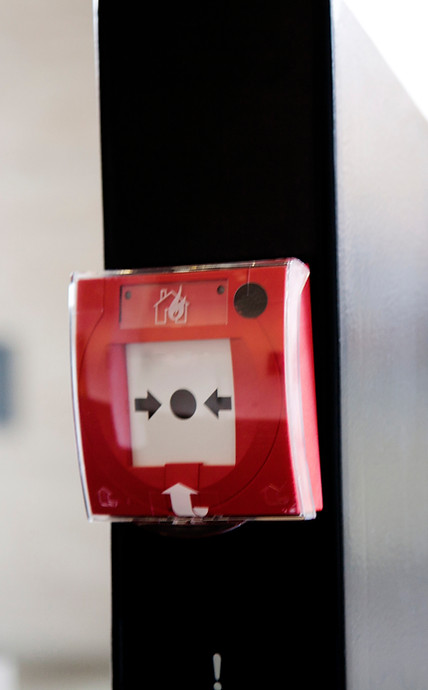
A fire watch generally begins the same way: a fire protection system goes out of service. That could be a sprinkler impairment found during routine testing, a fire alarm panel failure, a standpipe shut down for repair, or an elevator recall system malfunction. Once an impairment is identified, Rhode Island fire code and NFPA 25 generally call for compensating measures to be put in place while automatic protection is compromised. This information is general, and the specific requirements for any building are determined by the Authority Having Jurisdiction.
The next step generally involves the Authority Having Jurisdiction, typically the Warwick Fire Department Fire Marshal's office. The AHJ generally reviews the nature of the impairment and confirms how long the fire watch must remain in place, which can range from a few hours for a quick valve repair to several weeks for a major system overhaul. That confirmation generally sets the scope of the assignment, including staffing levels, patrol frequency, and any special conditions tied to the occupancy type.
A typical fire watch generally involves:
-
Trained personnel assigned to the property and briefed on building layout, hazard areas, and evacuation routes before the watch begins
-
Hourly rounds conducted and logged with timestamps, covering mechanical rooms, storage areas, and any zones affected by the impairment
-
An immediate notification protocol in which the on-site officer contacts emergency services (911) and building management if smoke, fire, or hazardous conditions are observed
-
Documentation maintained continuously so the log can be provided to the AHJ or insurance carrier on request
-
A watch that generally ends only when the AHJ inspects and formally clears the repaired system, restoring normal protection
Local conditions generally shape these assignments. Warwick and the surrounding Rhode Island coastline see harsh winter freeze cycles, and older commercial buildings near Jefferson Boulevard, Airport Road, and the Pawtuxet Village area often have sprinkler piping installed decades ago. When a hard freeze cracks a pipe or a dry-pipe valve fails, repair crews generally need time to thaw, replace, and pressure-test the system properly, and that repair window is generally when a fire watch becomes relevant.
These freeze-related impairments tend to happen with little warning during Warwick's coldest stretches. A provider familiar with local building stock and AHJ expectations can generally work to arrange trained personnel promptly, subject to availability, which helps a facility stay compliant while repairs proceed.
What Generally Drives Fire Watch Pricing Up or Down
Every fire watch quote generally looks a little different, since it is not a flat-rate service. Coverage hours, site size, and how quickly coverage is needed all generally shape the final number.
Common pricing factors include:
-
Coverage length: a four-hour watch during a permit hold generally costs less than round-the-clock coverage during a weeks-long system outage
-
Site complexity: a single warehouse floor is generally simpler to patrol than a multi-building industrial site with several access points
-
How quickly coverage is needed: short-notice requests generally cost more than coverage arranged days ahead
-
Documentation needs: some jobs call for detailed logs at short intervals for the fire marshal, others less frequently
-
Armed versus unarmed staffing: certain higher-risk sites call for armed officers, which generally changes the rate
One thing worth keeping in mind: the cheapest quote is not always the safest one. If a price seems unusually low, it is generally worth asking how many sites that officer is covering on the same shift, since a guard stretched across several properties may not give any one of them full attention. Before you sign anything, it generally helps to ask what is included in the rate, how logs are delivered, and who to contact if an officer is unable to make a scheduled shift. Those answers often tell you more than the number alone.
FIRE WATCH SECURITY
Frequently Asked Questions
How quickly can fire watch coverage be arranged?
We generally work to arrange coverage promptly, and can often place a trained officer on the same day, depending on availability and the site's requirements. When a sprinkler contractor tells you a shutoff will last more than a few hours, it generally helps to call as early as possible so coverage can be arranged before work begins. Coverage matters most during hot work or sprinkler repairs, since those are generally the periods of greatest exposure.
What happens when your officer arrives at our property?
The officer generally arrives with a patrol plan built around your building's exits, hazards, and impaired systems. They generally walk the space first to confirm egress routes and locate any hot work or blocked exits, then begin hourly patrols with time-stamped logs. You generally see documentation from the first shift, which can help support your compliance position if the Warwick Fire Department reviews your records later.
Do older buildings on Jefferson Boulevard need fire watch more often?
They often can. Warehouses in that industrial corridor generally have older sprinkler lines that may need repairs more frequently, which generally means more system shutoffs, and each shutoff creates a gap in protection until the repair is finished. If your building sits in that area and has aging suppression lines, it generally helps to arrange coverage whenever a repair is scheduled rather than only when something fails unexpectedly.
How long does a typical fire watch last?
A fire watch generally lasts as long as the fire protection system stays impaired, whether that is a few hours or several days. A sprinkler head swap might only call for coverage for an afternoon, while a full system replacement during construction could call for weeks. We generally scale staffing to the actual outage rather than a fixed schedule. Asking your contractor for a repair timeline before you call generally helps us plan the right coverage length.
Does our staff need special training to run our own fire watch?
Generally yes. Anyone assigned to fire watch duty generally needs documented training before their first shift, since Rhode Island fire code officials generally expect personnel to understand egress routes, hazard identification, and fire department notification steps. A maintenance worker or front desk clerk with no briefing generally does not meet that standard, even with a high-visibility vest. If your Warwick building does not have staff trained and ready with proper logs, using a dedicated fire watch service can close that gap without pulling your team off their regular jobs.
Do we need fire watch coverage during a routine alarm system test?
It generally depends on how long the test takes your detection system offline. A quick test lasting a few minutes usually does not call for a fire watch. If your alarm company tells you the system will be out of service for hours, or your fire marshal flags it as an impairment, coverage is generally warranted during that window. When in doubt, call and describe the test, and we can generally help you think it through, though the Authority Having Jurisdiction makes the final determination.

SECURITY GUARD JOBS
Join the USENTRA Security Team
USENTRA Security Services is always looking for talented individuals to join our team. If you're a retired with law enforcement or military experience or looking to start your career in the security services industry, please give us a call us at 401-421-0900 or apply online today.
